


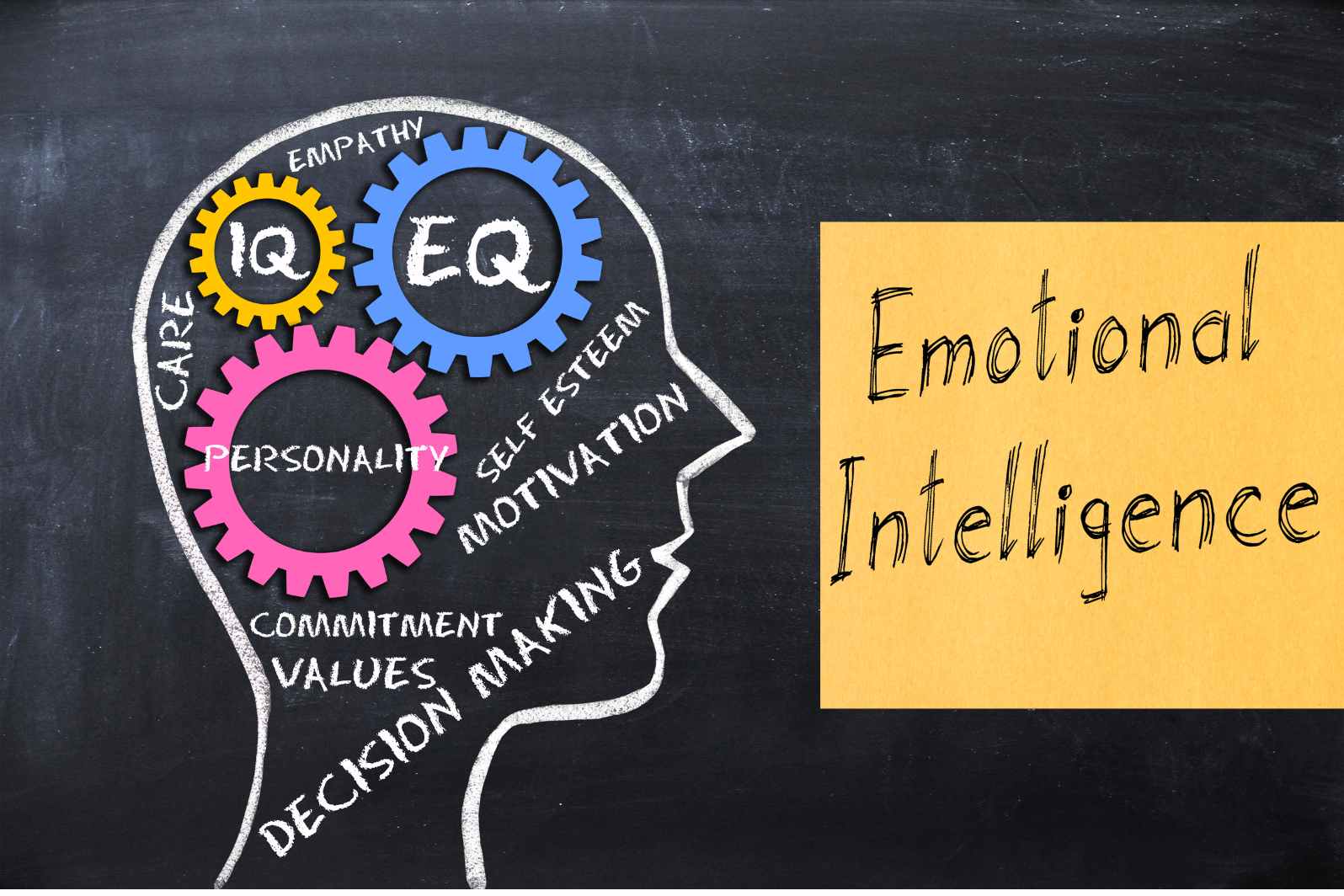
Education cannot just be about books and exams; it also has to be about self-knowledge, learning from others understanding oneself. In a world of increasing stress and competition, EI is now as important as academic intelligence.
Emotional intelligence supports students in identifying and managing their feelings, and developing better relationships. It instills in children empathy, patience and teamwork – useful life skills both on and off the field.
On Wednesday, let’s examine what emotional intelligence means in schools and how it can form a happier, more successful generation of young people.
1. What Is Emotional Intelligence?
Emotional intelligence is the capacity to understand and manage emotions, both your own and those of others. It includes five key elements:
- Self-awareness
- Self-regulation
- Motivation
- Empathy
- Social skills
In learning how to do these things, students also learn how to face challenges calmly, communicate clearly and make wise decisions.
For example: A student who becomes angry while working with a group during a project learns to take a deep breath, listen to others and respond respectfully instead of shouting.
The takeaway: Emotional intelligence helps students link heart and mind.
2. Building Self-Awareness
Self-awareness is knowing your own feelings, strengths, and weaknesses. In schools, this can be used as a way for students to see how their feelings impact behaviour and learning.
When students understand what causes stress or frustration for them, they are equipped to address this before it has the chance to negatively impact their performance.
Example: A student discovers that he becomes anxious before math tests and begins practicing mindfulness to calm himself down.
Bottom line: Understanding yourself is the first step in trying to improve.
3. Managing Emotions Effectively
Kids experience a wide range of emotions every day: Happiness, anger, fear and excitement. Emotional intelligence enables them to handle these emotions in a healthy manner, rather than bottling them up or overresponding.
Teachers can be a large part of this by creating safe spaces for emotional expression. Students who feel heard are more likely to stay motivated and continue participating.
Example: Rather than crying or sulking over a bad grade, a student internalizes the failure and figures out how she can do better next time.
The takeaway: It is resilience- and maturity-building to manage your emotions.
4. Improving Social Relationships
Schools are places of socialisation where student interact with peers and teachers. Students develop respect, trust and cooperation through emotional intelligence.
It instructs them in how to listen, share and settle disputes without violence. These are social skills that will also ready them for the kind of teamwork they’ll be expected to do in the workplace down the road.
Example: A student sees another classmate who looks excluded, and invites them to join others in a small group activity.
Takeaway: Strong emotional skills mean good friends and better humans.
5. Boosting Academic Performance
Students who are emotionally intelligent have greater academic achievements. They are more effective learners when they are able to control stress, stay motivated and keep an eye on goals.
EI enhances focus, problem solving and decision making – concepts crucial to academic success.
Example: A student who feels highly stressed about exams is less likely to perform well than another who convulsively goes blank on study materials.
Key takeaway: A still mind learns more quickly and works better.
6. Reducing Bullying and Conflicts
When victimizers don’t have empathy they bully or misunderstand in schools. There is kindness, respect and EI.
When children learn to read and respond to people’s feelings, they become nicer, more-compassionate kids. And that makes them less likely to hurt or taunt other young people.
Example: An empathetic student intervenes when a fight starts or befriends a classmate who is being bullied.
Takeaway: Emotionally literate students make schools safer and more supportive.
7. Encouraging Empathy and Compassion
Empathy is the core of emotional intelligence. It gives young people the chance to look at life through someone else’s eyes.
Empathy is a valuable tool for teaching children to appreciate diversity and relate to others’ experiences, building a school culture of kindness.
Example: Teachers, during a classroom discussion, can ask students how they would feel if they were in somebody else’s place.
The Takeaway: Empathy is the antidote to meanness – and it’s a skill every school should be selling.
8. Preparing Students for Real-World Challenges
Post-graduation life is filled with its highs and lows. Emotional intelligence prepares students for the pressure of life, to make sound decisions and have positive relationships.
It trains them for job, family and community life by promoting patience, adaptability and leadership.
Example: A student who learns how to navigate differences of opinion in school will have more success working through tensions at work later.
The takeaway: EQ is key to lifetime success and happiness.
9. Supporting Teachers and Classroom Environment
Emotional intelligence is not just for students; it’s useful to teachers as well. High EI teachers can relate more effectively toward students, deal with stress in the classroom and facilitate an autonomous learning environment.
Students of all ages follow those examples when teachers model calm and a sense of empathy.
Imagine: A teacher sees a bored child struggling and offers encouragement, rather than criticism; the child returns to work with renewed confidence.
The bottom line: Emotionally intelligent teachers produce emotionally intelligent students.
10. Encouraging Mental Wellbeing
Today’s students are being bombarded with academic pressure and stress from social media and personal insecurities. Good news is that for some, emotional intelligent will help them to keep their minds whole, and foster self-care and balance.
Schools with EI training have less student depression, anxiety and burnout.
Example: A student is trained to discuss their problems as opposed to ‘suppress it’ and there is now better emotional health.
The lesson: Having emotional intelligence which is connected to self-awareness and the ability to express oneself with empathy increases mental strength and inner tranquillity.
11. Enhancing Leadership and Teamwork Skills
EI teaches students to develop leadership skills young. Leaders who have emotional intelligence motivate others, manage conflicts with fairness and are inspiring to their teams.
Group projects, debates and school events offer chances to practice collaboration and empathy.
Example: A class officer who listens to what everyone has to say forms unity not division.
The takeaway: Good students become great leaders with emotional intelligence.
12. Making Learning More Meaningful
Lessons that use emotions in learning are more meaningful and memorable. Students relate personally to what they learn, and that keeps them curious.”
Engaging lessons also boost creativity and participation.
Example: A literature teacher inquiring into how a character may have felt prompts a deeper emotional connection to the story.
The lesson: Education is more powerful when you learn with heart.
Conclusion
I would define emotional intelligence as the invisible foundation of education. It influences children’s thinking, behaviour and way of interacting with the world.
Schools that prioritize emotional learning as much as academic achievement are able to nurture confident, compassionate and resourceful human beings.
By cultivating empathy, self-awareness and social skills, schools can equip students not just to succeed but also to become good human beings.
FAQs:
Q1. What is emotional intelligence in school?
It is the skill to be able to recognize, understand and manage emotions in order to create stronger relationships and succeed in your everyday life.
Q2. What is the importance of emotional intelligence in schools?
It’s beneficial for behaviour, concentration, empathy and general mental wellbeing of pupils.
Q3. What are ways to help students build emotional intelligence by teachers?
Via role plays, an open discussion process, mindfulness practice, positive feedback.
Q4. Does emotional intelligence correlate with school performance?
Yes. Pupils who have a better command over their well-being have better outcomes academically because managing stress allows them to feel at ease.
Q5. What age should EQ training be done?
It can be inculcated from very early or furthered throughout the school years.
