


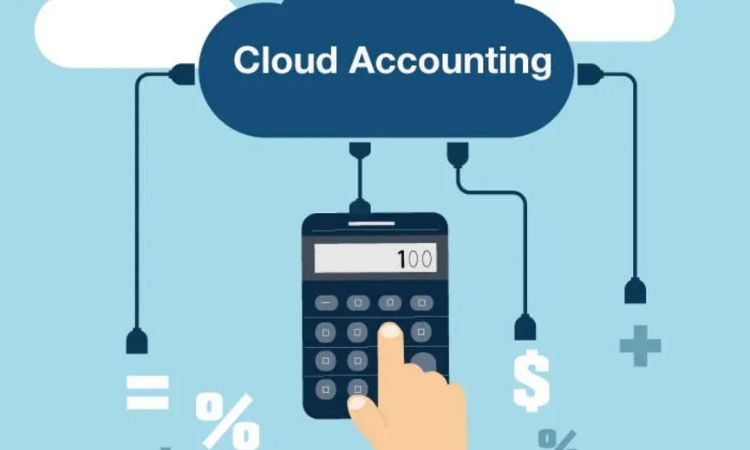
Running a small business in 2026 feels much different, and a lot has changed fast. Hence, cloud-based accounting isn’t just a nice tool; it’s something many companies can’t really work well without now. In India, many small firms move from legacy desktop accounting to cloud systems to achieve smoother operations, less manual effort, and fewer errors in their financial data.
Old Desktop Tools Vs Cloud
For years, small businesses used desktop accounting on single PCs. If the accountant is out, nobody can open the file. This created delays and confusion. Traditional tools also required manual updates and backups, and someone had to handle installations, which was very time-consuming. In 2026, this model looks outdated. Everything stays synced, which makes work easier and less stressful.
Real-Time Numbers Mean Faster Decisions
One major reason for adopting cloud-based accounting software is that it provides real-time visibility. Instead of monthly reports, owners can see sales, expenses, cash flow, and taxes whenever they want. If a business sees customers paying late or a product giving more profit, they can react fast.
Automation Cuts Errors and Saves Time
Manual accounting consumes a lot of time, and small mistakes become big problems. Cloud accounting software automates invoicing, payment reminders, tax calculations, bank reconciliation, GST filing support, and more. Automation also helps during audits, as entries are correctly recorded. This efficiency is why many small businesses quickly shift to the cloud.
Enhanced Security
Cloud storage is considered safe for preserving your data. Most cloud accounting platforms use strong encryption, multiple layers of security, and automatic backups. These are much better than storing files on a single laptop that can crash or be stolen. Data is kept on secure servers that tech small companies could never build themselves. Auto backups also prevent panic if someone forgets to save a file. They are more secure when set up properly, but many people think the internet is dangerous and avoid it, which slows them down.
Improves Teamwork
A running business involves numerous personnel: the proprietor, the accountant, the sales team, and the branch manager. In old software, only one individual had access to the file at any given time. However, cloud technology has truly transformed how we work. Now, many users can log in at the same time, review reports, upload invoices, approve expenses, and oversee everything with ease. An accountant can verify entries directly, and a GST consultant can examine tax data without delays caused by file exchanges. This advancement minimizes unnecessary communication and simplifies compliance procedures.
Compliance updates automatically
Tax rules and GST in India keep changing, making it difficult for small business owners to stay updated. Cloud platforms usually update their systems to comply with new tax regulations and formats. This helps the owners to keep their systems updated with less struggle. However, it is essential to verify for updates and not to rely solely on the software, as incorrect configurations may lead to issues.
Final note
A cloud-based inventory and accounting software is becoming essential for small businesses to be efficient and future-ready. Be it automation, security, compliance, or teamwork, the cloud solves problems that traditional methods can’t. Many companies use tools from providers like Busy because they make cloud accounting easier. But the real benefit comes when owners actually use the tools correctly, teach their teams well, and keep their data clean.
