


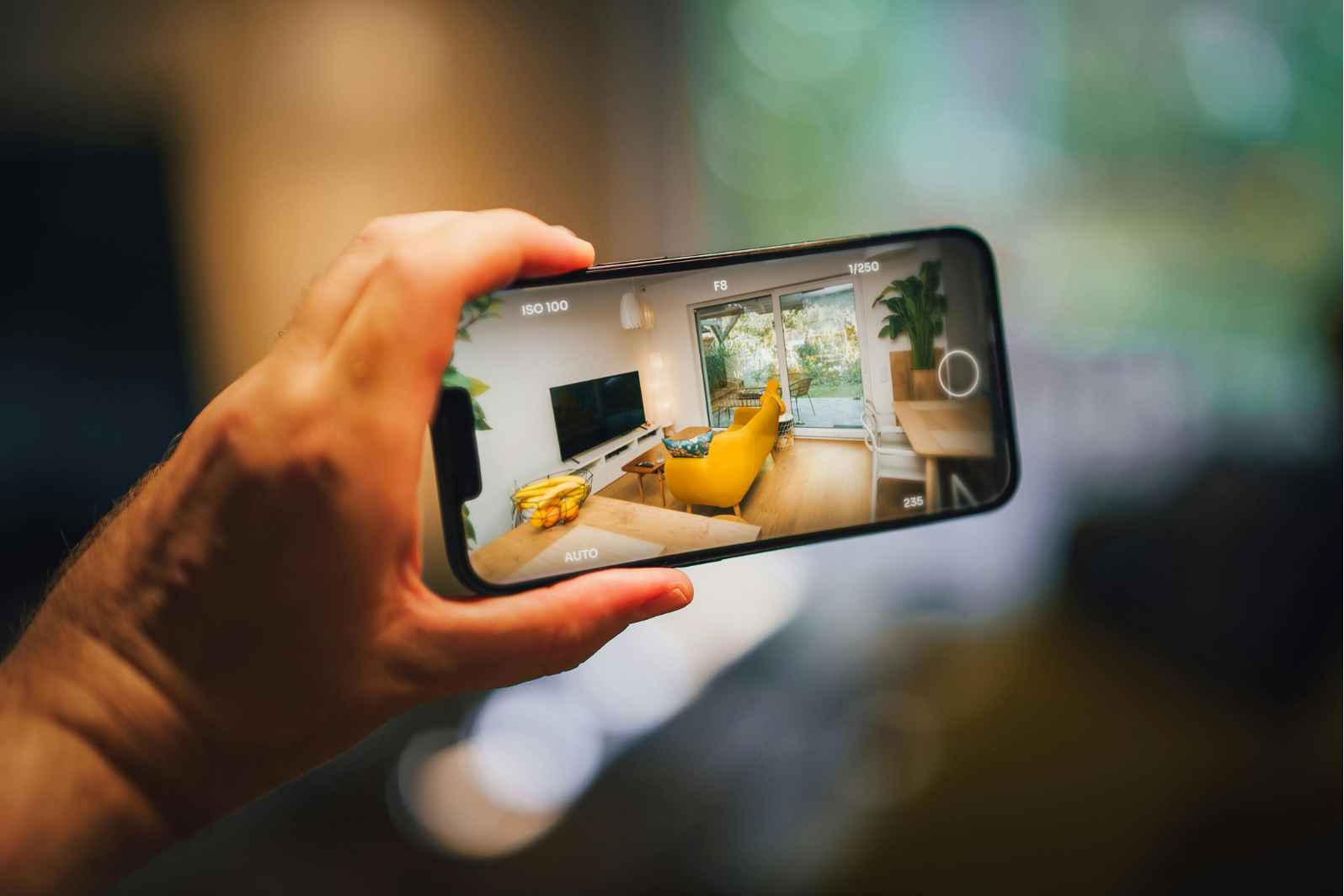
Stunning photos can often mean the difference between a quick sale and a missed opportunity in today’s digital-first real estate market. And with most buyers beginning their search at a computer screen, high-quality photography serves as the introduction for what homeowners hope is their greatest asset: a home that matches its web presence.
Professional-grade real estate photos highlight a property’s best features, help to draw more buyers and may even net you a higher sales price. The good news? You don’t have to be a professional photographer to snap great listing photos – you just need the right techniques.
For this reason, it is important to know what the most effective real estate photography tips are that sell homes faster and for a higher dollar.
1. Focus on First Impressions
Buyers typically make a decision within seconds of whether they like a property – and that begins with the photos. The four or five photos at the beginning of a listing should showcase the home’s best features.
Example: Start with a welcoming exterior photo, combined with luminous, open interiors that highlight the layout of the home.
The takeaway: Your opening picture is your handshake one that is warm and firm.
2. Use Natural Light to Your Advantage
Light is the magic ingredient in photography. Balancing natural light can breath life into your shots, adding warmth and depth as well as an inviting sense of spaciousness to rooms.
Explain: Shoots should be scheduled in the late morning or early afternoon when sunlight is gentle and even. Open all shades and blinds to get as much light in the room as possible.
The bottom line: There’s no filter that sells a house like natural light.
3. Declutter and Stage Before Shooting
A clutter-free home photographs better. Spaces that are clean give buyers room to picture themselves living there.
Example: Clear away personal effects, oversized furniture, and cords. Add a touch of life with fresh flowers or bowl of fruit.
The takeaway: A clean, staged home feels bigger, brighter and more valuable.
4. Choose the Right Equipment
Your pictures will be SO much better with the right camera gear. And even with a smartphone, there can be some game-changing accessories.
Example: A DSLR or mirrorless camera with a wide-angle lens, or a tripod is used to avoid shaky and lopsided shots.
The takeaway: Professional tools turn ordinary photographs into listings that sell.
5. Highlight Key Selling Points
Concentrate on what sets the property apart — a modern kitchen, large backyard or great view.
For example: Shoot them from several angles and make sure they appear early in your photo gallery.
The lesson here: Highlight the features that make the home special.
6. . Shoot from the Right Angles
The camera’s height and position determine how big and attractive a room will look.
Example: Waist-level for interior rooms, somewhere between chest and above eye level for exteriors. Avoid small rooms that feel cramped and tight.
The takeaway: Even angles are more inviting for buyers visualizing the space.
7. Keep Vertical Lines Straight
Canted or sloping lines can distort the look of photos. To avoid this your camera’s grid lines or tripod adjustments will help you to stay centered and symmetrical.
Example: Level door frames and walls for a professional appearance in your rooms.
The point: Straight lines mean clean, trustworthy visuals.
8. Master the Art of Composition
Framing shots thoughtfully is important, too. Use the rule of thirds – put important features just a little off center to add balance and interest.
Example: Surround a comfortable reading nook with an outside view, or frame your kitchen island as the room’s centerpiece.
The point is: Strong composition tells a story that buyers identify with.
9. Edit, But Keep It Real
Editing helps the appearance of your photos, but too much can be misleading to potential buyers. Work on the brightness, contrast and on balance of color and sustain the look.
Example: Lightly retouch and edit naturally with programs such as Lightroom or Snapseed.
The takeaway: Practical enhancement is a trust builder and entices interested buyers.
10. Capture Every Room with Purpose
Don’t forgo rooms – even small ones are important to prospective buyers. Take pictures of anything important, including hallways, laundry rooms and storage areas.
Example: Usually, two clear, wide shots per room are sufficient detail for online listings.
The takeaway: Full coverage lets buyers see the full extent of the home.
11. Pay Attention to Exterior Shots
It’s the first impression buyers get of your abode. Tidy up the yard, trim foliage and clear parked vehicles before taking your photo.
Example: Shoot from different angles during the “golden hour” (just after sunrise and before sunset) for warm, flattering light.
The lesson: A lovely exterior shot can quickly catch a buyer’s eye.
12. Opt for Virtual Tours and Drone Photography
In today’s market, eye-popping visuals can distinguish your listing. Buyers get a full idea of scale and location from virtual tours and aerial shots.
Example: A short drone video showcasing the property layout and neighborhood can boost engagement online.
The takeaway: Interactive visuals can make listings shine in crowded markets.
13. Maintain Consistent Editing Style
A uniformity in lighting, coloration and tone helps to provide your photo series with a professional appearance. Don’t blend overly bright and dull photos.
Example: Edit all the images with one software and the same filters and light intensity.
The takeaway: Coordinated visuals lend listings a polished, trustworthy appearance.
14. Optimize Images for Online Listings
Web pages can be slowed by large, uncompressed photographs. Resize and compress your images for site without losing quality.
Example: Save images as JPEGs, around 2000 pixels long on the longest side for high-resolution online viewing.
The lesson: Fast-loading, good quality photos drive buyer engagement.
15. Become a Photo Journalist – Tell the Story in Your Photos
Each property is a story – and your job is to create the visuals. Consider the photo sequence as a guided tour that guides readers naturally from one space to another.
Example: Begin with the exterior and transition to common areas, followed by bedrooms, bathrooms and outdoor areas.
The bottom line: Photos tell a story and help buyers see themselves living there.
Conclusion
In real estate, a picture is worth $1,000 or more. By capitalizing on natural lighting, angling shots with purpose, and authentic editing practices you can generate visuals that make listings irresistible.
Remember, buyers make emotional decisions. T0 sell a dream is to leave money on the table.
FAQs:
Q1. Why is real estate photography so vital?
Better photos result in more buyers and higher engagement online, leading to a faster sale for a better price.
Q2. When is the best time to schedule real estate photos?
Midmorning of mid/late afternoon are the “golden hours” and they will provide you with warm, soft natural light to work inside or even out in the open.
Q3. Do I need a pro to sell a home?
Not necessarily. With some good lighting, equipment and attention to detail, you can easily get professional results yourself.
Q4. How many photos in a real estate listing?
On average, 15 – 25 photos offer a comprehensive and pleasurable look at the property.
Q5. Should I post a drone photo for every listing?
Drone shots are ideal for bigger properties or houses with pretty surroundings, but may not be relevant to your small- or indoor-oriented space.
