


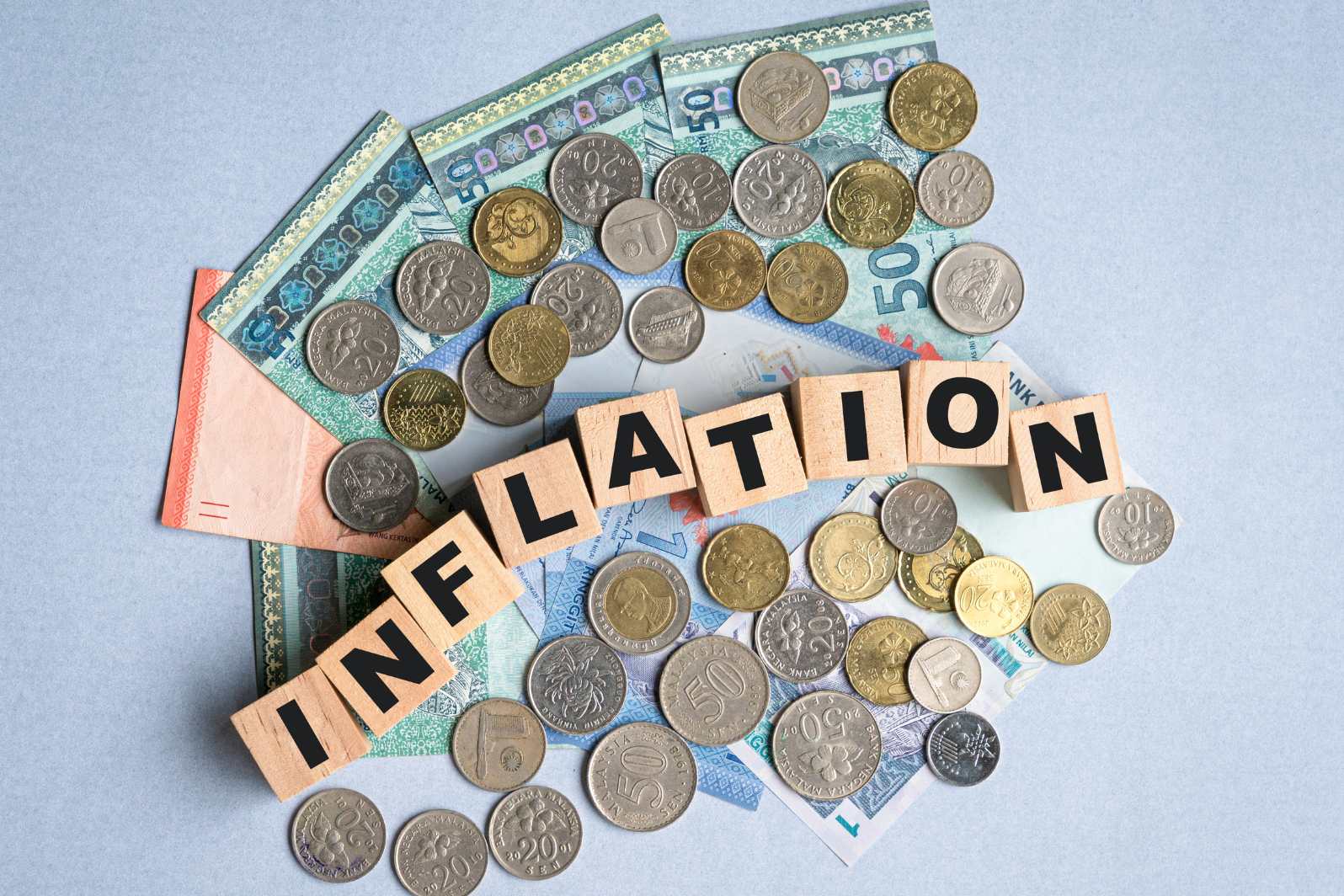
Inflation has been a hot button news topic of late. Virtually all goods and services experience rising prices over time, and the value of your money fades as a result. Whether you’re building a home down payment, car-buying fund or nest egg for retirement, inflation is something that will place far-reaching parameters around your future finances.
By 2025, people and investors are still worried about inflation. Understand how inflation impacts your money – and adjust your savings plan accordingly to help protect it.
Here’s how inflation affects your bottom line, and the savvy things you can do to keep ahead today.
1. What Is Inflation?
Inflation is the gradual increase in the prices of goods and services over time. As inflation increases, money is worth less. RGLTRB:When prices inflate, your dollar buys you less.
For instance, if $100 could get you 10 cups of tea a few years ago, it may only be enough for 7 today.
Some inflation is normal and indeed healthy for the sake of prosperity. But when prices go too high, they can eat into savings and diminish your ability to address long-term goals.
2. What Inflation Does to the Value of Savings
When inflation is running hot, the cash in your savings account erodes in value over time.
For the sake of argument, suppose your savings account yields a 4% annual rate of return but inflation is running at 6%. That means you actually have a negative return in real terms – your money is growing slower than the cost of living.
Even if you are saving regularly, your purchasing power is diminishing. Over time, that can make it more difficult to afford things like education, housing or health care.
Example:
- Inflation rate: 6%
- Savings account interest: 4%
- Real return: -2%
In other words, you are in effect losing 2% of your money’s value each year.
3. Why Ordinary Savings Accounts Are Insufficient
Traditional savings accounts are safe, but can have low interest rates. These returns rarely beat inflation.
And while you should have some money in a savings account for emergencies, it shouldn’t be your only vehicle for goals that are decades away.
Then, should inflation rise after 2025 you will have to look for better investment opportunities that keep pace with inflation while preserving your wealth.
4. The Effect of Inflation on Financial Goals
For all four targets, inflation differs —
- Short-term goals: If your goal is 1-2 years away, inflation might not matter all that much.
- Medium-term goals (such as purchasing a car or funding college): You’ll need to save more per year in order for the returns on this savings you receive today to actually keep up with inflation.
- Long-term goals (such as retirement or a child’s education): Here inflation is a critical factor, because prices could double and triple over decades.
Smart Tip: Don’t forget to do some inflationary calculations in your financial planning and grow your savings/investment contributions over time.
5. How to Shield Your Savings From Inflation
The way to beat inflation is for your money to grow faster than prices go up. Here are some smart strategies:
a) Diversify Your Investments
Don’t put all your money in one place. Diversify among various types of assets:
- Equity Mutual Funds: They provide superior returns over the long term and can even surpass inflation.
- Index Funds: Match the market and offer inflation-adjusted growth.
- Gold ETFs: Typically gold maintains value even when inflation increases.
- Real Estate: Property may appreciate in value over time and can serve as a good hedge against inflation.
b) Choose Inflation-Linked Instruments
Some investments, though, are designed to shield your savings from increasing costs.
For instance, instruments such as Inflation-Indexed Bonds (IIBs) and National Pension System (NPS), these are linked to inflation or help you returns in sync with the general price rise.
c) Investment in Stock or Equity Mutual Funds
Equities are risky in the short term, but they have delivered returns in excess of inflation over the long term.
In 2025, a lot of investors are opting for the Systematic Investment Plans (SIPs) for gradual wealth creation and compounding.
d) Don’t forget the Real Return, not just the Interest Rate
And a 6% rate of return is fine — but if inflation rises to 5%, the real return is just 1%. And always measure your investment returns against inflation to know what you’re really making.
e) Review and Adjust Regularly
Inflation rates fluctuate over time, and so should your savings plan.
6-12 Months – Review your portfolio twice a year and rebalance investments to keep ahead of inflation.
6. Inflation And The Emergency Fund
Even in the context of high inflation, it is important to have an emergency fund – one that would ideally keep you afloat for 6 months.
Keep this money in a high-interest or liquid mutual fund.
You want to have an emergency fund in place so you don’t have to cash in long-term investments when big bills hit.
7. Cutting Expenses Without Sacrificing Lifestyle
Inflation is not synonymous with discomfort. With some simple lifestyle tweaks, you’ll be in a better position to stay on top of your finances:
- Cook at home more, and eat out less.
- Go for energy-saving appliances to cut the bills.
- Compare prices before major purchases.
- Resist impromptu shopping and stick to purchasing needs not wants.
You too can save more using these approaches without making radical changes in the way you live.
8. The Power of Compounding in the Fight Against Inflation
Because, of course, the sooner you start investing, the longer your money gets to grow via compounding.
The “compounding” part is that you make money not only on your original investment, but also on the interest it has already earned.
Ultimately, compounding accelerates the growth of your returns exponentially – generally outracing inflation.
So the best time to have begun investing was yesterday; the second-best time is today.
9. Don’t Panic – Plan Smartly
Inflation may seem scary, but it’s not insurmountable. The secret is to be informed, act strategically and invest steadily.
Do not make panicked moves like pulling money out of long-term investments or hoarding cash.
Smart investors look at inflation as a sign to re-examine their strategy, not abandon it.
10. Seek Professional Advice
If you are having trouble managing inflation, contact a certified financial planner. They can also assist you in developing a customised savings plan that works for your income, spending and goals.
A good plan will have a combination of inflation-proof investments, periodic reviews and disciplined savings habits.
Conclusion
Inflation is a stealth threat to your savings, but by smart planning you can stay ahead of it.
From 2025, real returns should be what you’re aiming at, not merely nominal gains. Through a variance in your investments, modifying your savings behaviour, and remaining disciplined you can defend your economic well-being and independence.
Don’t forget that money that doesn’t grow faster than inflation is losing value – so make your savings work harder for you.
FAQs:
Q1. How does inflation affect savings?
Inflation decreases money’s purchasing power, so your savings can buy less each year unless you earn greater returns.
Q2. Where should I keep my savings to protect them from inflation?
Invest in such assets as stocks, gold and inflation-protected bonds that let you earn a return above the rate of inflation.
Q3. How frequently should I be looking at my saving plan?
At least annually, or whenever inflation or interest rates are materially changed.
Q4. In inflation conditions, should I stop saving?
No. Keep saving, but direct attention to investments that could grow more quickly than inflation.
Q5. Is real estate a hedge against inflation?
Yes, real estate goes up in value and produces rental income that increases with inflation.
