


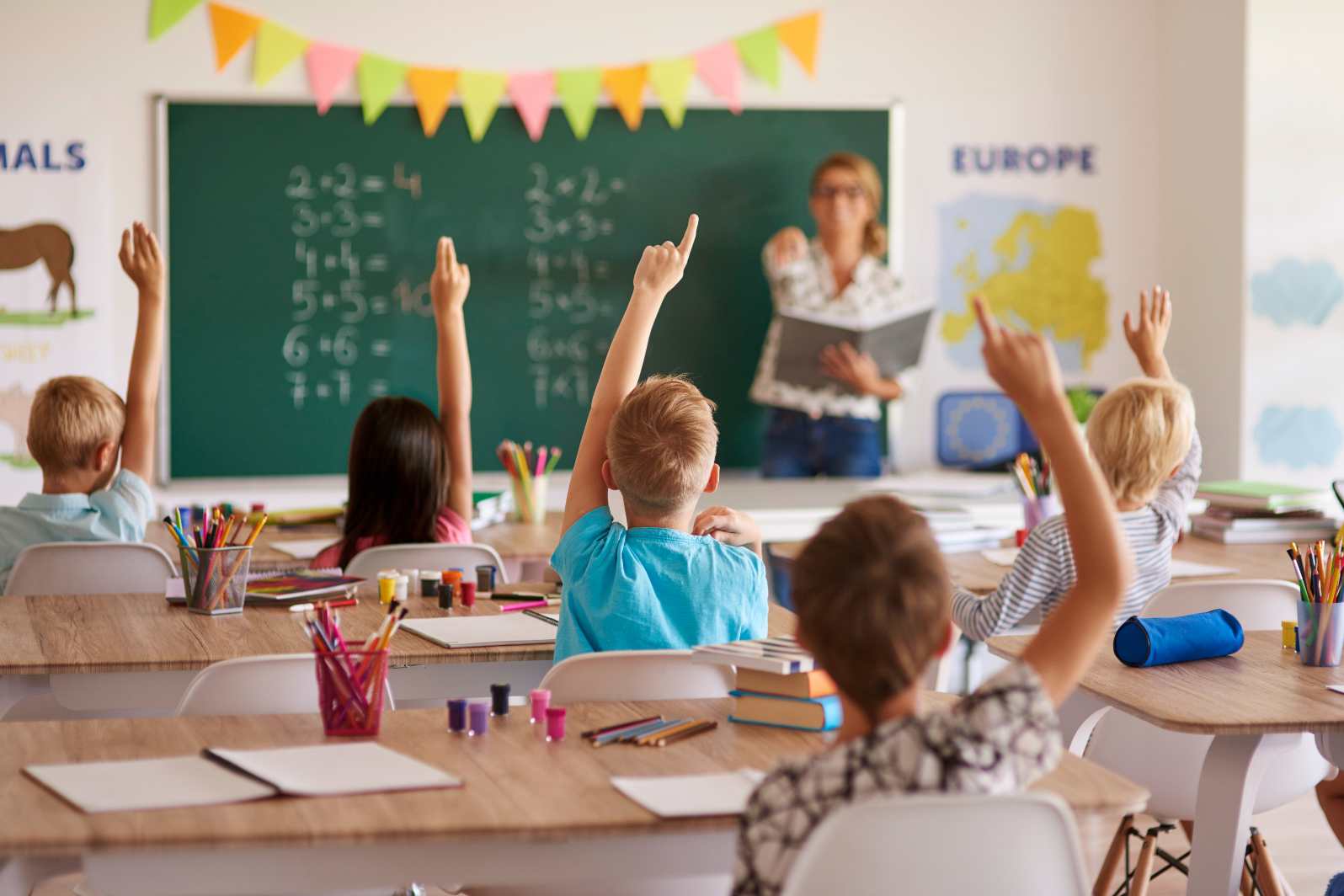
In the last couple of years, education has undergone a significant transition from what used to be termed “chalk-and-talk” teaching in the classroom to interactive and technology-based learning. One of the most impactful and interesting innovation is gamification -to deploy game-like features in educational delivery to make learning more engaging and effective.
In 2025, gamification in schools, colleges and online learning sites around the globe is being used to keep students motivated (and engaged) and ensure high performance. But how does gamification actually improve learning results? Let’s explore in simple terms.
1. What Is Gamification in Education?
Gamification refers to using gameful elements (e.g., points, badges, leaderboards, levels and rewards) in non-game contexts like studying.
The idea isn’t to transform classrooms into video games; rather, it’s to harness the motivational force of video games to make learning more enjoyable.
For example:
- Students can gain points by completing quizzes.
- They can earn badges for mastering new topics.
- Class leaderboards show top performers.
- Interactive lessons transform challenging concepts into playful challenges.
This model turns study from being a chore into something fun and rewarding.
2. Why Gamification Works in Learning
Gamification functions because it speaks to fundamental human needs for accomplishment, feedback, and reward.
When students can witness progress — obtaining a new badge, achieving a higher level – they are inspired continue on.
It also creates a virtuous cycle: learn → do → earn reward → want to learn more.
Psychologists refer to this as “intrinsic motivation” – when students learn because they want to, rather than because they have to.
3. Key Elements of Gamified Learning
Gamification is much more than playing and adding games, it’s about using the right elements at the right times. Here are the key factors that make it work:
a) Points and Scoring Systems
You can give students points based on things they do such as, completing a task, quiz or assignment. Those points are instant feedback and show how it was going.
b) Levels and Progression
As students master various topics, they move up levels. This gives a sense of accomplishment and the drive to keep up the work.
c) Badges and Rewards
Badges are rewards for achieving milestones – such as learning a skill or completing a project. Rewards, she explained, are either digital (certificates of achievement) or tangible (extra credit, privileges).
d) Leaderboards
Competition is also healthy. motivates the students to do well. Proud when they see their name on the leader board and motivates them to participate often.
e) Storytelling and Challenges
Some gamified lessons also involve storytelling that casts students as heroes on educational quests. Learning is thus experiential and emotional.
4. How Gamification Improves Student Learning Outcomes
a) Increases Motivation
Gamification encourages students to get excited about lessons.
They are not learning for grades; instead, they learn for fun, challenge and reward.
Because students are more apt to finish things they enjoy — increasing participation and retention rates.
b) Enhances Knowledge Retention
Research suggests that when students have fun and feel as though they are an active part of the learning process, they retain information longer.
Because gamified learning is visual, repeated and offers immediate feedback, students can grasp and retain complex ideas better.
c) Encourages Active Participation
In a regular classroom, some students are too shy to answer.
Gamified learning ensures everyone participates — in quizzes, polls, or challenges — because it feels like play, not pressure.
Involvement changes passive doers into active participators.
d) Builds Healthy Competition
There’s nothing like a little competition to get you moving!
Leaderboards and team challenges motivate students to do better at the same time promoting collaboration.
It has taught students how to cheer for individual and common successes.
e) Provides Instant Feedback
In contrast to conventional grading, gamification is feedback in real-time.
Students get immediate feedback and can see where they need to improve.
Their short feedback loop enables EMs to identify mistakes early on, and they continue learning.
f) Supports Personalised Learning
Every student learns differently. Gamified sites can adjust with performance — providing easier or harder challenges, as appropriate.
If a student is struggling in science, for instance, the platform will assign more practice problems, while students who understand concepts quickly can advance to advanced topics.
This customization gives all students the ability to move at their own pace.
g) Promotes Collaboration and Teamwork
Many gamified Learning tools include team-based challenges in which students collaborate to solve problems.
This fosters communication, command and collaboration — essential life skills for the real world.
h) Reduces Learning Anxiety
Classical education can have frame anxiety from tests and grades. Gamification helps loosen learning by changing the focus from “marks” to “mastery.”
Experimenting and failure are not prohibited. permette agli studenti di imparare attraverso l’esplorazione e il trial-and-error senza timore della sconfitta.
This boosts confidence and creativity.
5. Examples of Gamification in Modern Classrooms
a) Kahoot!
Teachers use Kahoot! to make quiz games for students to respond in real time. It’s fun, fast-paced, and competitive.
b) Duolingo
It’s a language learning app that enables daily learnings via points, streaks, and rewards. Students feel a sense of accomplishment as they learn to speak new languages.
c) Classcraft
On Epic’s game-based platform, students play as heroes earning points for homework, in-class participation and helping others.
d) Quizizz
A web-based quiz tool that enables students to compete and learn together. Teachers can make quizzes for any topic themselves.
e) Minecraft: Education Edition
Students dive into virtual worlds where they discover coding, math and problem solving skills as they have a blast creating and playing exciting games.
6. Technology that Powers Gamification Based Learning in 2025
Emerging technologies are adding another layer of punch to gamification:
- AI (Artificial Intelligence): Used to generate adaptive problems according to the performance of students.
- VR (Virtual Reality): Places students in interactive learning settings, for example virtual labs or historical tours.
- Augmented Reality (AR): Introduces 3D learning games in the physical environment; explore an immersive game.VR ACIA is more exciting with ARIA!
- Mobile Apps: Allow students to learn through short, engaging activities anywhere, anytime.
It’s these technologies that make learning to feel less like studying (school), and more like an adventure.
7. Challenges of Gamified Learning
But while gamification is powerful, it does have its downsides:
- Rewards: The students may become too concerned with the prizes instead of what they can learn.
- Digital Access Gaps: Not every student has a device, nor stable access to the internet.
- Time and Training: It’s a new concept that teachers need training to create gamified lessons that work.
- Balance Required: Games should enhance, not detract, educational goals.
Smart Tip:“For the best results, teachers need a combination of gamified and traditional teaching,” Furman says.
8. The Future of Gamification in Learning
By 2025 and into the future, education systems in every country will be involved in a massive transformation.
With AI, VR and adaptive learning, classrooms would be a personalised experience for student.
Gamified platforms will also allow teachers to monitor student progress more accurately, which means education becomes not only more fun but also more effective.
The classroom of the future will be a place where learning is really more like play – and playing is actually productive.
Conclusion
Gamification is not simply inserting games into lessons, it’s an effective teaching method that increases student motivation, engagement and learning.
Gamification makes learning fun and encourages students to be more engaged when they learn.
Because once fun enters the realm of education, students cease learning from compulsion and they start learning for passion – and that is when true education begins.
FAQs:
Q1. What is gamification in education?
Gamification involves applying game elements such as points, badges and leaderboards to make learning enjoyable and interactive.
Q2. How does gamification help students?
It raises motivation, engagement and retention by making lessons engaging, stimulating and rewarding.
Q3. Can we apply the gamified teaching and learning approach to all areas of study?
Yes. It can be used to teach anything — from math and science to languages and social studies.
Q4. Are teachers required to use a whole lot of fancy tools to gamify?
Not necessarily. Simple tools like Kahoot!, Quizizz ou encore Classcraft rendent ludique l’intégration de la gamification en cours.
Q5. What does the future of gamified learning hold?
AI,AR and VR are definitely the right time for Gamification to deliver immersive, personalized and effective learning experiences in classrooms around the globe.
