


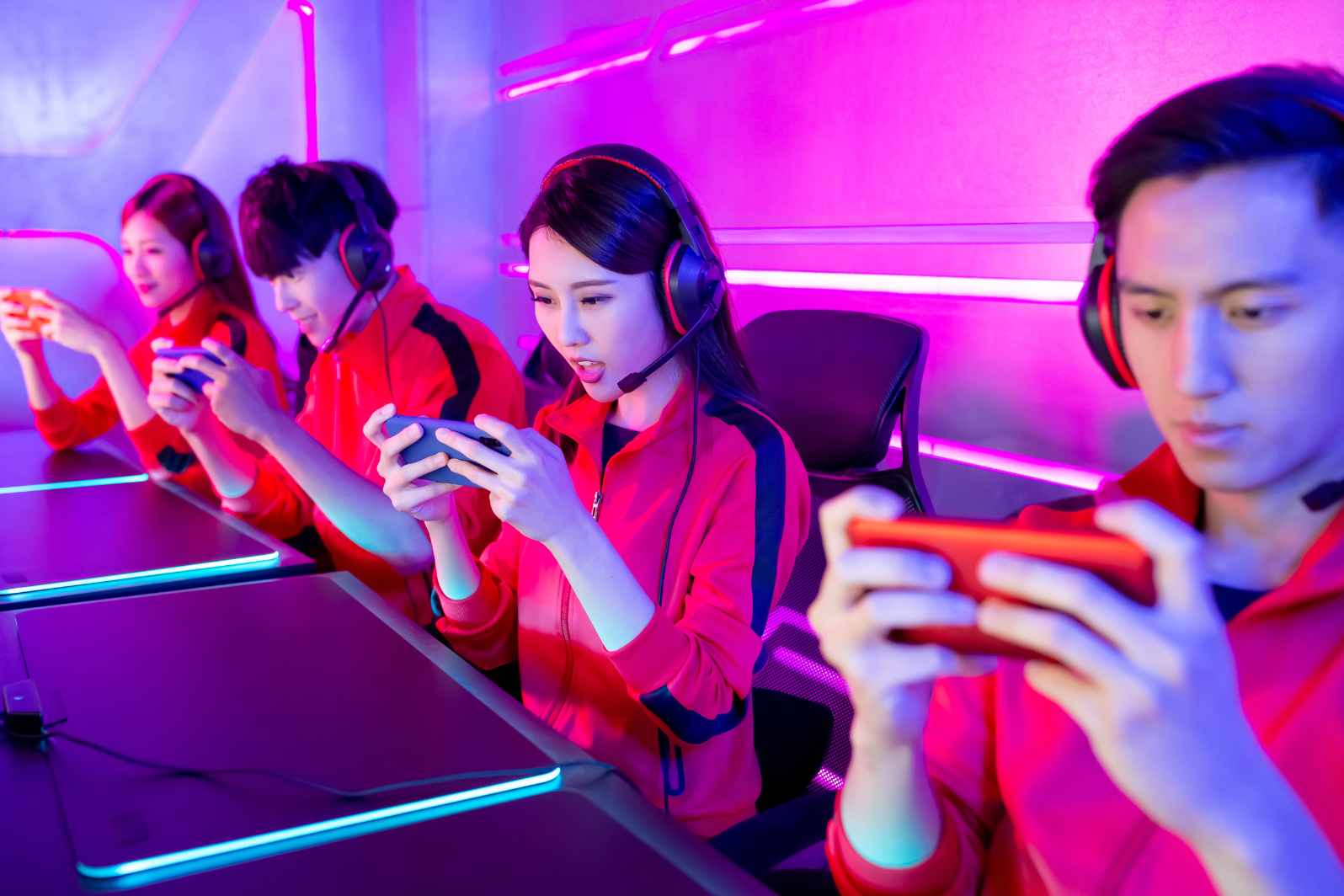
Sports are changing fast. Long ago, it used to demand a stadium, a ball and a real playing field; now all that’s required is a computer, good internet service and the skill. Esports or competitive video gaming has evolved from a niche hobby into a mass medium that now rivals traditional sports for audience reached.
From epic competitive tournaments with millions of fans to professional players pulling down athlete-size paychecks, esports is revolutionizing what it means to be a competitor in the 21st century.
Let’s look at how esports square off against traditional sports and are changing the face of global entertainment.
1. The Rise of Esports as a Mainstream Industry
From small LAN parties, esports has turned into multimillion-dollar tournaments inside arenas. Esports is now mainstream, complete with team franchises worth millions of dollars, corporate sponsors from around the world and full-fledged broadcasting deals on platforms like Twitch and YouTube Gaming.
Example: More than 6 million people watched the 2023 “League of Legends World Championship” — a large enough audience to compete with many mainstream sports, such as NBA Finals.
The upshot: Esports isn’t a subculture, anymore; it’s a mainstream, rapidly growing global industry.
2. Audience Engagement and Digital Reach
Traditional sports are TV-dependent, while esports is flourishing online. Streaming provides a channel for fans from around the world to watch, chat and interact live with each other, fostering greater connection between artists and their followers.
Example: With platforms such as Twitch, viewers can regularly interact with players in real time, a privilege traditional sports seldom allow.
The upshot: Esports brings fans closer together thanks to digital platforms, resulting in a more personalized, interactive viewing experience.
3. Accessibility and Inclusivity
The single biggest advantage esports has over traditional sports is accessibility. You don’t need a stadium or expensive gear, and you don’t even have to be physically fit – just good at it, practiced at it and passionate about it.
Example: A teen in a town with a high‐end gaming PC can challenge players around the world without leaving home.
The takeaway: Esports eliminates barriers, enabling anyone with skill to compete on a Global stage.
4. Sponsorships and Big Money Involvement
Signs that brands that once sponsored football or cricket teams are gradually moving to invest in esports. Sponsors, from energy drinks to tech firms, drive the industry’s swift expansion.
Example: Leading companies such as Red Bull, Intel and Nike sponsor esports teams and tournaments.
The takeaway: Esports presents brands with a fresh, tech-savvy audience – and they’re spending big.
5. Career Opportunities Beyond Gaming
Esports isn’t just about players. It has created thousands of jobs in coaching, commentary, marketing, event organizing and game design.
Example: Just as cricket takes commentators, managers so does esports take casters, analysts and production crew that makes event professional and interesting.
The takeaway: Esports spawns a full ecosystem of jobs, just like traditional sports.
6. Integration of Technology and Analytics
Esports is technology and data-driven. AI and analytics are used by teams to monitor player performance, strategize and achieve better results – much like traditional teams break down game tape.
Example: Esports coaches analyze heat maps and reaction-time data to spot strengths and weaknesses.
The bottom line: Both esports and the traditional sports world now rely on technology to keep up their game.
7. Esports in Educational Institutions
You can get scholarships to play and colleges and universities have esports teams that are official. This is very much like traditional sports programs in that regard.
Example: Schools in the US, UK and even India now have esports clubs and training centres for grooming young gaming talent.
The takeaway: Esports is moving into the academic sphere, and establishing itself as an official field of competition.
8. Global Tournaments and Fan Culture
Just as there are the FIFA World Cup or the Olympics, esports have huge global tournaments of their own. The International for Dota 2 or Fortnite World Cup command millions of viewers and pay out massive prize pools.
Example: The prize pool for the Fortnite World Cup 2019 was $30 million, and the competition’s grand-prize winner, a 16-year-old boy, won $3 million.
The rub: It’s that esports tournaments can compete with traditional sports in their ability to make audiences excited and attract investors’ money, as well as passionate followings around the world.
9. Traditional Sports Embracing Esports
Traditional sports teams are riding the esports wave. Football clubs, basketball leagues and even Formula 1 have set up their own esports divisions.
Example: FC Barcelona, Manchester City and the NBA’s 2K League all field “official” esports teams.
The takeaway: Traditional sports don’t regard esports as a threat, but rather the next big thing in how to attract young people.
10. Physical fitness and psychological factors in gaming performance
Competitive gaming may not be physical like traditional sports are, but its players still need intense focus and reflexes. Many teams now have fitness coaches, nutritionists and psychologists to try to keep players healthy.
Example: Pro gamers have rigid daily routines that involve working out and meditating to be sharp.
The takeaway: Esports is as hard if not harder than your average sport, it takes discipline, strategy and stamina.
Conclusion
Esports has grown from a world of casual gaming to a professional, billion dollar industry that competes with traditional sports in viewership, sponsorships and global standing. Though the style is different, the competitive spirit, skill and teamwork are still identical.
As technology advances, the distinction between esports and traditional sports will blur further — unifying a world of digital and physical athleticism.
The future of sports isn’t just out on the field it’s online, too.
FAQs:
Q1. What is esports?
Competitive video gaming, known as esports, is a growing sport in which players compete against one another individually or in teams for prizes and acknowledgements.
Q2. How does esports differ from traditional sports?
The difference, of course, is that esports are played electronically while sports are traditional games with elements of skill, teamwork and strategy.
Q3. Can esports athletes make as much money as regular ones?
Yes. The very top esports players can earn millions of dollars in tournament prize money, merchandise, and sponsorship deals.
Q4. Are esports recognized officially?
Yes. Esports is now officially recognized as a sport by many countries, and there are collegiate esports scholarships at universities.
Q5. What’s the future of esports?
In the future, esports will be combined with VR, AI technology and world sports events which will attract even more fans from all over the world.
