


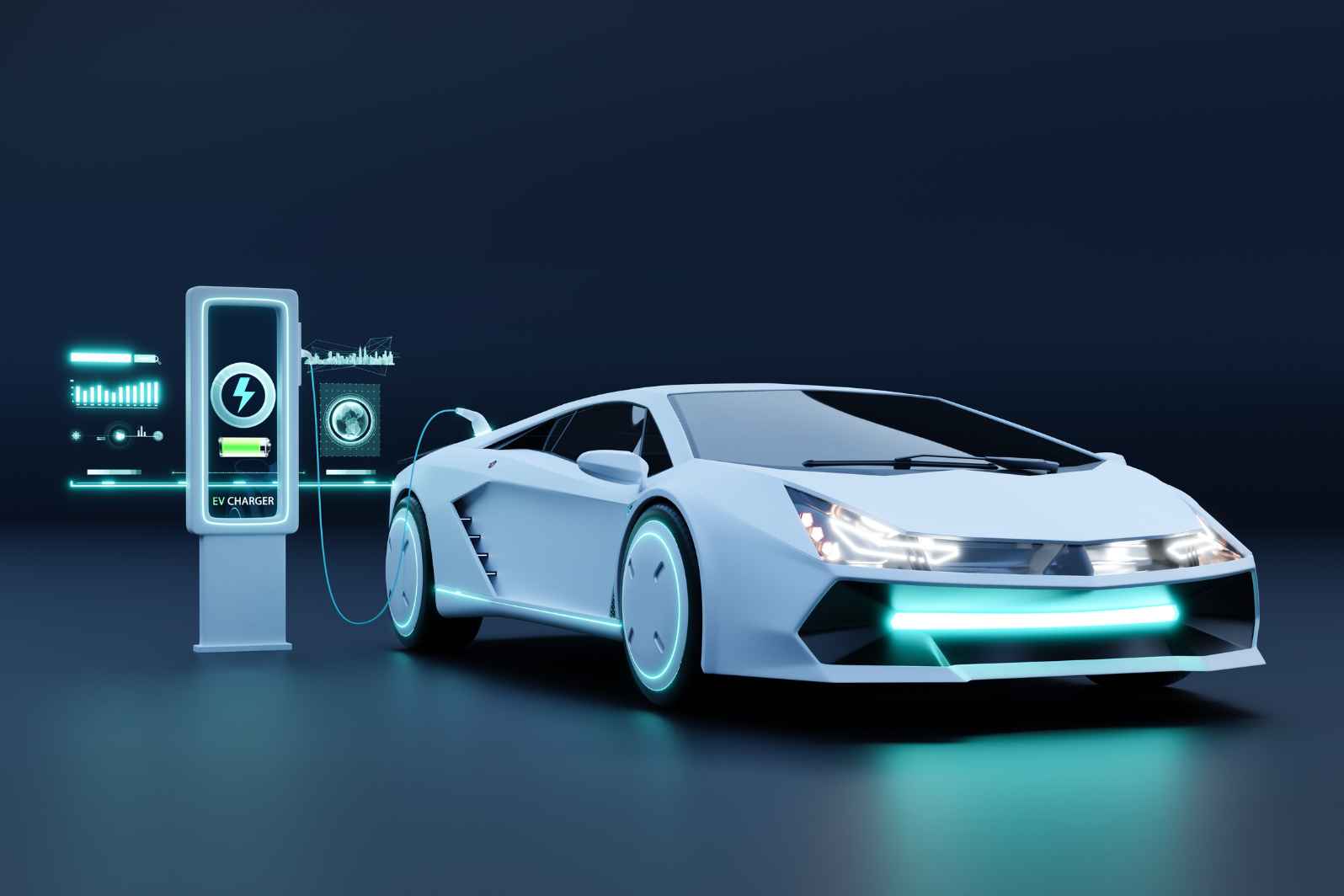
The landscape of transportation is changing at an unprecedented pace, and leading the charge behind it all are electric vehicles (EV). The fantasy of yesterday, is the reality of today. From earth-friendly cars to electric buses and bikes, EVs are changing how we get around – and why it matters.
Electric vehicles are no longer an option, they’re rapidly becoming the first choice for millions of drivers by 2025. The EV revolution is no passing fad – with governments promoting cleaner mobility, auto makers moving quickly to innovate, and new technology occurring daily, that’s just the beginning.
Let’s explore the key trends driving this transformation in the transport industry.
1. Rapid Growth of EV Adoption
Global adoption of electric vehicles is skyrocketing. More people are buying them due to their lower operating costs, better for the environment and because of various government incentives.
Fact: EV sales jumped more than 35% in 2024, and that growth is forecast to carry through the next year and beyond.
Why it’s happening:
- High fuel prices are making EVs more appealing.
- Better batteries mean you can drive further.
- Consumer concern about climate is shifting people toward greener transportation.
Authorities in nations such as India, the U.S. and the U.K. are providing tax incentives and benefits to stimulate EV uptake too.
2. Expansion of Charging Infrastructure
One of the major headaches for EV expansion has been the dearth of charging stations. Thankfully, this is changing rapidly.
Cities and highways all over the world are now modeled with fast-charging networks that can charge an electric vehicle in less than 30 minutes.
Trends to watch:
- Setting up charging points at offices, shopping malls and apartments.
- Clean and Renewable Solar Charging stations.
- Ultra-fast 350 kW charging complexes that are designed for use on long distance journeys.
Impact: With easy access to power, range anxiety — the concern of losing juice on the go — is quickly becoming a thing of yesteryear.
3. Breakthroughs in Battery Technology
Battery tech is center of EV revolution. Today’s lithium-ion batteries are cleaner, last longer and cost less than ever before.
Emerging technologies include:
- Solid-state batteries: They provide greater energy density, faster fill times and enhanced safety.
- Recycle batteries: Protect the environment and save resources.
- Extended spin life: Batteries are now functional for more than 8-10 years without much loss.
Outcome: EVs have plenty of mileage and are more economical to maintain, making them the ideal option for every day drive and commercial usage.
4. Rise of Affordable Electric Vehicles
At first, EVs were for the wealthy. But in 2025, automakers are thinking affordability.
Companies like Tata Motors, BYD, and Hyundai are rolling out electric cars targeted at middle-income buyers.
E.g.: Small EVs with 300-400 km per charge at price points similar to petrol cars.
Why it matters: Cheaper prices open the doors for more people to transition to electric mobility, increasing mass adoption.
5. Evolution of Electric Two Wheelers and Bikes
Two-wheelers are widely used means of transport in many developing countries. The E.V. revolution in that country is now being led by electric scooters and bikes.
Why they’re booming:
- Low running costs
- Easy charging options at home
- Zero emissions
Ather, Ola Electric and Hero Electric are among the new brands that have grown quickly as they offer stylish, affordable and efficient models for city commuters.
Interesting fact: Sales of electric two-wheelers in India actually increased by more than 60% in 2024 alone.
6. Smart and Connected Technology Integration
Electric cars are only getting more intelligent as new models roll out. When it comes to this intelligence, most electric vehicles (EVs) are already being shipped with AI-driven hardware and software platforms, side-view and curbview cameras, digital cockpits with touchscreen controls and real-time navigation information as well as the ability to perform vehicle-to-grid (V2G) routing.
Features include:
- Mobil apps for battery life and car performance tracking.
- Voice-controlled infotainment systems.
- Safety self–driving and driver-assist technology.
For instance, Tesla’s Autopilot and Hyundai’s Bluelink are altering the way drivers engage with their vehicles.
AI in combination with EVs makes driving safer, smarter, and more personal.
7. Fleet Electrification and Commercial EVs
Companies are converting their fleets to electric to reduce costs and to have a smaller environmental impact.
Examples include:
- Electric delivery vans for logistics firms.
- EV buses for mass transit agencies.
- Electric trucks, for cleaner and quieter freight.
Why it matters: Switching to electric is both cleaner – reducing large-scale emissions – and cheaper for fleets.
8. Recycling and Second-Life Battery Use
Dealing with old batteries will become essential as more electric vehicles drive around on the world’s streets. Thanks to new recycling and reuse technologies, there’s an unlikely answer.
Trends include:
- Recycling precious metals like lithium, cobalt and nickel.
- Using old EV batteries as cheap house batteries.
- Creating sustainable circular battery ecosystems.
Not only does this lower environmental footprint, it will ultimately decrease production costs for the next generation of batteries.
9. Government Policy Fueling EV Revolution
The strong policy backing has been one of the main forces behind the EV boom. Today in many countries there is a clear roadmap for electric mobility.
Examples:
The FAME II scheme in India encourages the adoption of EVs through economic incentives.
The European Union will ban new petrol and diesel cars in by 2035.
The United States provides tax credits of as much as $7,500 for buyers of electric vehicles.
Outcome: Transparent government policies are accelerating the adoption of E.V.s and bringing in international investment to clean transport.
The Future: Wireless Charging and Solar EVs As the possibility of getting rid of charging stations becomes reality, even wider prospects open up for how EV infrastructure could be transformed to meet future needs.
10. The Future: Wireless Charging and Solar EVs
Solar-charged EVs are also becoming more and more popular, where a vehicle has built-in solar panels to recharge its battery while it is driven or parked.
Example: companies such as Lightyear and Sono Motors are experimenting with solar EVs capable of traveling more than 600 km on sunlight alone.
Why it’s revolutionary: These advances could make EVs completely self-sufficient, eliminating the need for traditional power sources all together.
Conclusion
Electric cars aren’t a fad- they form the bedrock of the future of transportation. Improved batteries, smarter systems and cleaner energy are turning the EVs into a boon for how we move – while giving us hope for the planet.
EVs will soon to be the default across the world with charging infrastructures swelling and tech improving. The question is no longer “if,” but rather “how fast” can the world go electric?
FAQs:
Q1. How are electric cars catching on?
They’re eco-friendly, cheap and underwritten by government incentives.
Q2. WOM/HowLong Does it Take to Charge an EV?
Fast chargers can charge an EV battery to 80% in half an hour or less.
Q3. Is it cheaper to maintain an EV than a petrol car?
Yes, EVs have fewer moving parts and that means less maintenance.
Q4. Are EVs suitable for long-range travel?
Yes. With more efficient batteries and increasing charging networks, long drives are easier than they were.
Q5. How electric cars takes off?
The future is in wireless charging, solar-powered electric vehicles and smarter, self-driving technology.”
