


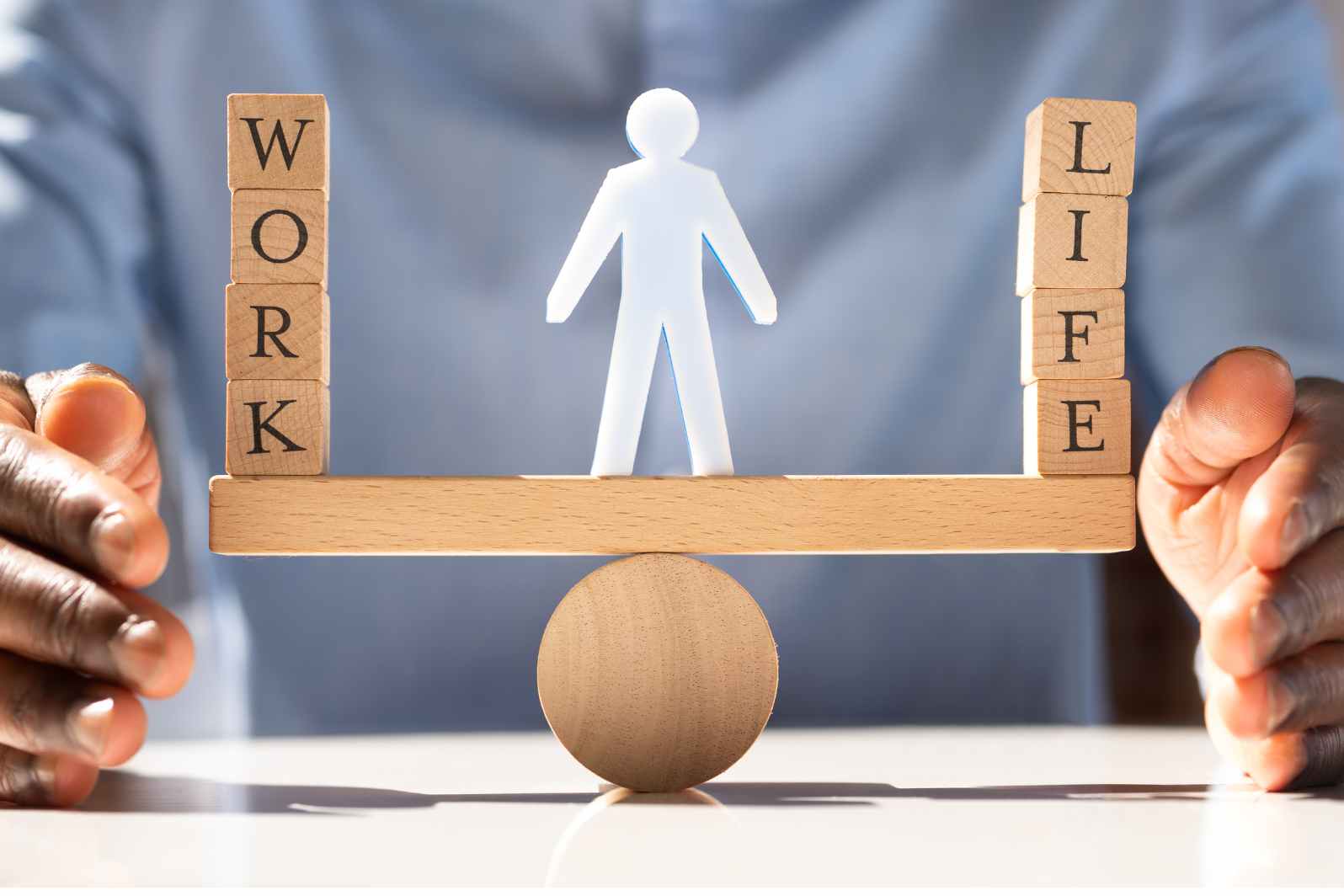
In a fast-paced world, it seems impossible to have the right balance between working and personal life. Digital distractions and constant connectivity now create an indistinguishable line to many between office time and downtime. But finding that healthy balance between work and life isn’t about working less – it’s about working smarter and living more intentionally.
Having a balanced life does not only lead to increased productivity, but it also contributes to better mental health, relationships, and ultimately happiness. With some ingenuity, everyone can formulate a regimen that promotes professional achievement and personal happiness.
Below, let’s discuss some creative and practical tips on how to strike a better work-life balance in the digital era.
1. Set Boundaries with Technology
It’s easy to remain “always on” in the age of smartphones and remote work. By establishing clear digital boundaries, you can shield your personal time and mental peace.
Example: Shut off work email notifications after the office or use “Do Not Disturb” mode during family dinner.
The advice: Control your devices, don’t let them control you.
2. Try Flexible Work Arrangements
Hybrid and remote working is the new normal. Adaptability eases stress, increases focus and gets you more family time or hobby hours.
Example: A workday flexible enough to drop the kids at school and still make your deadlines.
The takeaway: Being flexible is not laziness it’s smart time management.
3. Embrace the Power of “Micro-Breaks”
Even just a few short breaks throughout the day can work wonders in terms of productivity and energy. Skip lengthy coffee breaks and instead stretch for a minute, take some deep breaths or go for a short walk.
Example: The “Pomodoro Technique” 25 minutes of work followed by a five-minute break can keep productivity levels up.
The lesson: Rest isn’t a waste of time; it’s what allows you to perform at your best.
4. Create a Dedicated Workspace
Working from home can make it hard to tell your job and personal life apart. It mentally helps for us to “enter” “work mode” and then to also be able to leave it at the end of our day.
Example: Even a modest desk in a quiet corner, provided with good lighting, can be your productivity zone.
The takeaway: Design a room that separates work focus from personal relaxation.
5. 3D Method: Top Things to Do First
To-do lists can be overwhelming. The 3D method: Do it, Delegate it or Delete it helps keep you focused on what’s important.
Example: Do fast tasks without delay, delegate when you can or eliminate them if not needed.
The bottom line: Smart prioritization will actually save mental energy and work stress.
6. Schedule “No-Work” Hours
And, as you would with meetings, put personal time in your calendar. Schedule hours when you don’t look at emails and take calls.
Example: Schedule Sunday mornings or dinner time as inviolable family hours.
The lesson: Guard your personal time as ferociously as an approaching work deadline.
7. Combine Fitness and Fun
Exercise doesn’t need to be a punishment. Pick things you do and keep on doing — dancing, biking, gardening. Exercise helps give you energy and reduces stress.
Example: A friend’s early morning run or late night yoga can rejuvenate both the mind and body.
The point: Motion refuels you to perform better in every facet of life.
8. Practice Mindfulness and Meditation
Mindfulness trains you to be present, and in the process helps you deal with stress and prevent burnout. Even just a few minutes each day can go a long way.
Example: There are a number of guided meditation apps such as Calm or Headspace to help you start and end your day in peace.
The lesson: Amid chaos, a quiet mind brings balance.
9. Unplug and Reconnect with Nature
Restoring balance, he continues, is as simple as “being outside in nature.” You will reset your energy and clear the mental clutter. Even brief forays into green space can boost mood and focus.
Example: Plan a weekend hike or just drink your morning coffee outside.
The takeaway: What stress takes away, nature gives back.
10. Nurture Relationships and Hobbies
You can’t underestimate the importance of a fulfilling personal life for work-life balance. Prioritize time with friends, family and anything else that sparks joy.
For example: Learn an instrument, paint or cook – anything that makes it possible for you to unplug from work.
The lesson: Fun outside of work re-energizes passion inside work.
11. Learn to Say “No” Gracefully
Overloading yourself leads to burnout. A “no” to obligations that defeat your own goals is a “yes” to commitment one’s clearly stated priorities.
Example: When you are busy, respectfully decline non-urgent meetings or extra duties.
The takeaway: Every ‘‘no’’ you give elsewhere is a ‘‘yes’’ to yourself and your well-being.
12. Use Technology to Simplify Life
Ironically, technology used wisely can also help you balance life. Sure, productivity tools and scheduling shortcuts help lighten the load.
Example: Google Calendar, Notion or Trello keep tasks in order.
the lesson here: Make technology serve you, not work against you.
13. Reflect and Adjust Regularly
Work-life balance is not a check-box that you disable or enable. Weekly Reflection Reflect on what’s working and what you need to tighten up on a weekly basis.
Example: Wrap up your week by taking stock of what drained you – and energized you – and make a plan.
The takeaway: Minor changes make balance doable long term.
Conclusion
Work-life balance isn’t about doing everything it’s doing what is most important. With limits, and creativity, plus sheer intention you can design a life that will serve your success…and joy.
Remember, balance is different for everyone. The trick is to create routines that are in line with your values, energy and goals.
And that’s because, for your work and life to be mutually reinforcing rather than in conflict or competition, you don’t just survive – you thrive.
FAQs:
Q1. Why is work-life balance important?
It’s good for mental health, for productivity, and even your relationships and overall well-being.
Q2. How do I have a work life balance when all my work is remote?
Establish clear boundaries, have a designated space and stick to an established schedule.
Q3. What are some fast and effective stress relief methods for busy people?
Deep breathing, little walks, music, or stretching all can immediately decrease stress.
Q4. How do I know when my life is out of balance?
Always tired, stressed out or just not motivated could be an indicator that balance is off.
Q5. Can technology help us find work-life balance?
Yes, in the form of productivity apps and automation technology that makes it easier to organize one’s day and keep pressing forward.
