


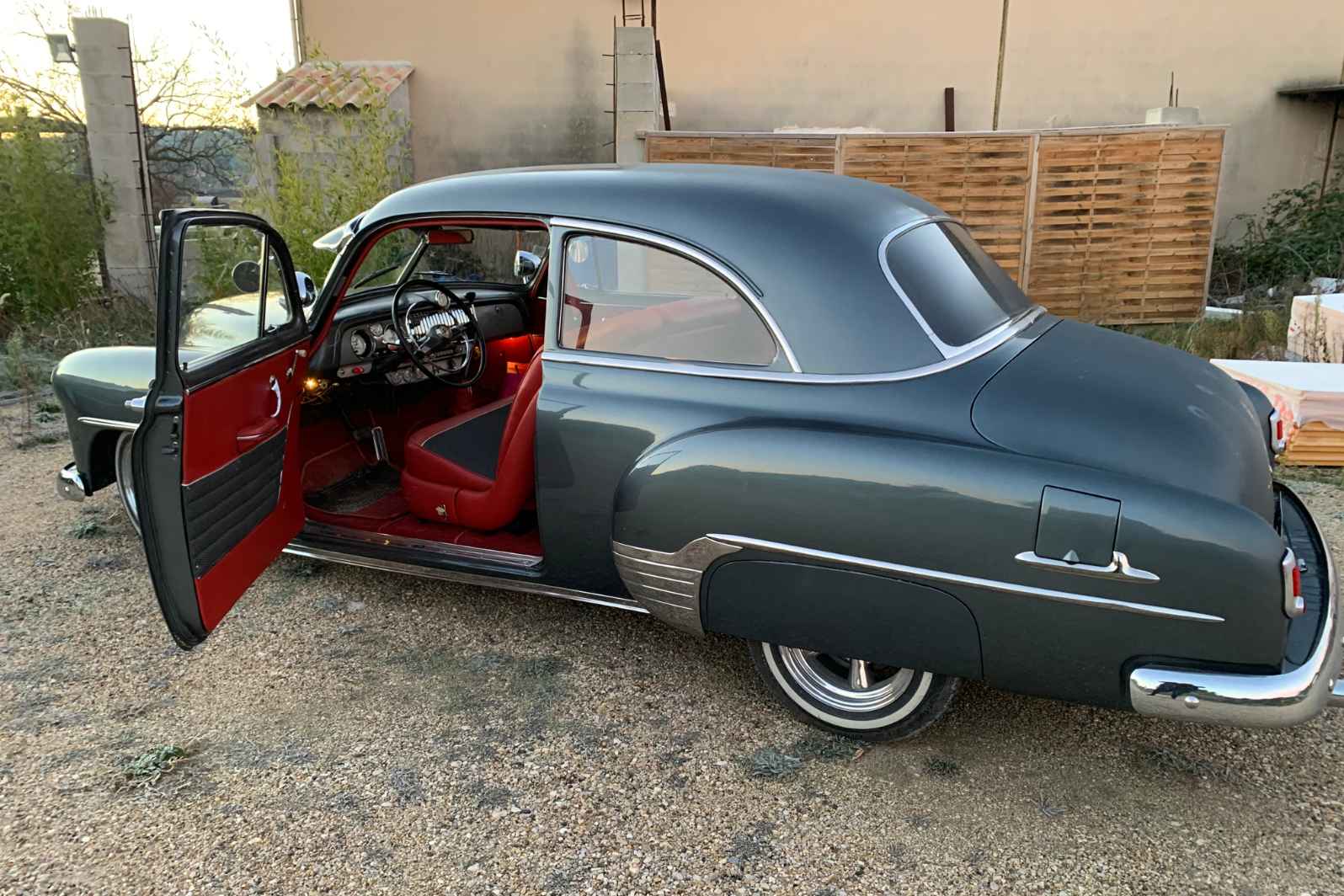
Classic cars are timeless symbols of class, elegance and history. To an enthusiast, restoring a vintage car isn’t just about fixing what’s wrong with it; it’s about adding freshness to a piece of history. But in the 21st century, restoration has gone high-tech.
With innovations in modern technology, the process has evolved from just a skilled craftsman’s endeavor and building material into an art utilizing advanced engineering, computer aided design and even sustainable elements. From 3D scanning to electronic conversions, the restorers of today are mixing nostalgia and innovation like never before.
Let’s take a look at how today’s technology is altering the way classic cars are restored, while helping to reshape the notion of preserving automotive history.
1. Digital Blueprints and 3D Scanning
A great many classical automobile rebuilding programs suffer from a paucity of spare parts, and no small amount are true to only photographs of their original assembly. Contemporary tech solves this with 3D scanning and digital modeling.
Sample: For example, restorers employ laser scanners to record every curve and crevice of a classic car’s body, making precise 3D blueprints for repairs or reproduction parts.
The takeaway: 3D scanning brings the car back to perfection while keeping its footprint true to the original.
2. 3D Printing Replacement Parts
When it comes to rare or discontinued parts, finding a replacement can be next to impossible – but 3D printing technology now allows them to be produced like new.
For instance: car enthusiasts and manufacturers rely on 3D printers to produce everything from knobs or handles to fully integrated engine parts with precise measurement.
Takeaway: 3-D printing resurrects old parts, and can save time and money on restorations.
3. Electric Powertrain Conversions
One of the most exciting corners of this modern scene is EV conversion—replacing classic combustion engines with electric powertrains but keeping the classic styling.
Example: Companies such as Lunaz and Everrati restore icons like the Jaguar E-Type and Porsche 911 to full electric power with state-of-the-art batteries.
The takeaway: Electric conversions make classics greener, quieter and more reliable — without losing their soul.
4. Digital Design and Simulation Tools
Long before any physical effort even starts, restorers can now employ CAD (Computer-Aided Design) software and simulations so they can evaluate pieces, including fitment and aerodynamic improvements.
Example: Mechanical engineers computer-model engine operation and suspension settings, in a way that would guarantee better reliability but not detract from originality.
The point: Virtual planning saves time and money, and makes for perfect craftsmanship.
5. Advanced Materials for Durability
Today, more modern materials such as carbon fiber, aluminum alloys and rust-inhibiting coatings are replacing older, heavier or less durable parts — all while maintaining decades-old looks.
Example: Fetching restored classics today rely on fancy-pants paint, lightweight metals and rugged ceramic coatings just in case you might have to pull over one day.
The upshot: Today’s materials are keeping yesterday’s cars on the road longer than ever before.
6. Smart Diagnostics and Electronic Upgrades
Tucked away beneath retro dashboards, intelligent diagnostic systems and hidden ECUs (Electronic Control Units) work to keep an eye on the health of the engine, fuel usage and safety systems.
Example: A classic Mustang could appear untouched, but indoor Bluetooth sensors monitor performance and notify owners when maintenance is due.
The lesson: Modern diagnostics give certainty to classic style.
7. LED and Adaptive Lighting Systems
Restored Vintages cars, which are done so today, tend to have LED lighting for improved energy efficiency and visibility, while keeping an older appearance.
Example: Restorers install LED bulbs in factory headlamp housings, for safety and style.
The takeaway: Contemporary lighting fuses performance and sincerity.
8. Modern Braking and Suspension Systems
While maintaining the car’s look, a restorer frequently will outfit the suspension, braking and steering mechanisms with more modern engineering for enhanced driveability and safety.
Example: Utilizing upgrades such as disc brakes, anti-lock systems (ABS), and adjustable coilovers, modern comfort is afforded without compromising the forever cool feeling of driving a classic.
The takeaway: Classic design meets modern security on every journey.
9. Infotainment and Connectivity Enhancements
Today, restorers install touchscreen systems behind vintage dashboards where they discreetly combine with Bluetooth audio, GPS and Wi-Fi.
Example: Some vintage vehicles have voice-activated infotainment systems that smooth over the discontinuity of old interiors.
The lesson: Classic cars meet the digital world – elegantly and surreptitiously.
10. Sustainable Restoration Practices
Environmental restorers are becoming more widespread and they apply eco-friendly paints, recycle materials and even power their workshops with renewable energy sources.
Example: Solar power and water-based paints, among others, are now being adopted in numerous modern workshops to create a more sustainable workshop.
The takeaway: Saving history doesn’t have to destroy the planet.
11. Hybridization and Mild Electrification
Some restorers employ a more hybrid philosophy – coupling traditional engines with electric assist systems that result in better fuel economy and reduced emissions.
Example: Hybrid conversions can give classic Ferraris like the 308 much improved performance while still giving us that signature soundtrack.
The takeaway: Hybrid restorations get the nostalgia-to-innovation ratio just right.
12. Data-Driven Customization
Today’s restorers lean on digital data analysis to tailor driving experiences that go beyond suspension tuning and power delivery.
Example: Restorers applying telemetry and AI tools to tweak vehicle dynamics for smoother, more reactive driving.
The lesson: Data helps each restored car achieve its full potential.
13. Virtual Reality (VR) Restoration Previews
Owners can preview alternate paint colors, custom interiors or body modifications in sweeping detail before beginning physical work.
Example: Clients are able to “walk around” their virtual car in order to sign off every detail before the restoration starts.
The other big: VR is the place where imagination meets precision in restoration planning.
14. Smart Battereienmanagement for Classic EVs
For electric conversions, battery management systems (BMS) maximise charge cycles and help to avoid overheating – essential for safety and durability.
Example: – New restorations have AI BMS units that extend battery life and can monitor temperate in real time.
The lesson: Smart energy management can keep the electric classics humming along efficiently for decades.
15. Digital Documentation and Heritage Preservation
Each restored car now has digital documentation a comprehensive database of work, parts and history that resides on the blockchain or cloud.
Example: Collectors will be able to confirm a car’s history of authenticity and restoration directly from secure digital records.
The lesson: Technology will save not only the car but its heritage as well.
Conclusion
Classic car restoration is entering a new era – when tradition meets technology. Restorers are combining modern technology with traditional craft to ensure that vintage cars perform efficiently and sustainably as never before.
From 3D-printed components to electric conversions and AI-enhanced machines the legends of yesteryear are rolling on boldly into tomorrow, courtesy of technology.
The most exciting restorations in today’s world don’t just re-create the past they reinvent it.
FAQs:
Q1. How does technology impact classic car restoration?
3D scanning, printing and digital design guarantee accuracy while electric conversions and smart diagnostics take performance and reliability to a new level.
Q2. Can vintage cars be made electric?
Yes. There are also a number of companies today that provide EV Conversion kits, where the car’s exterior remains unchanged but an electric motor has been put under the hood.
Q3. Does modernizing a classic car diminish its value?
Tech upgrades generally raise reliability and appeal – sometimes even value – if they’re done tastefully and/or reversibly.
Q4. What’s the most significant benefit of 3D printing for restoration?
It makes replicating hard-to-find or obsolete parts to the most exacting of standards an affordable, expedient process.
Q5. Is it possible to make classic car restoration eco-friendly?
Absolutely. Sustainable materials, renewable energy and electric conversions are being used to sustain history and the environment.
