


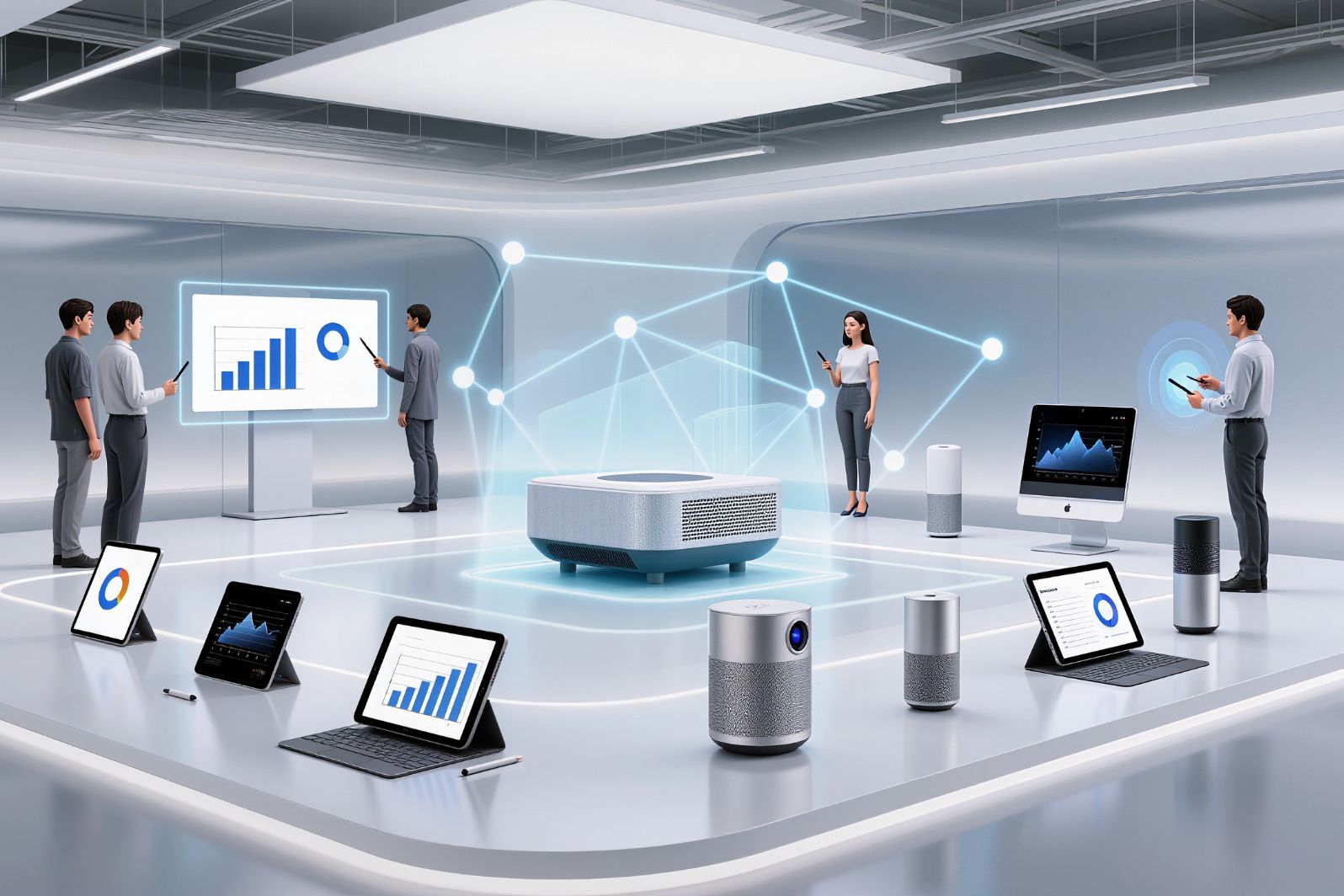
As artificial intelligence becomes embedded into everyday business operations, the concept of the modern workplace is rapidly transforming. Organizations are shifting from traditional digital workplaces to adaptive, AI-enabled environments designed to unlock deeper insights, faster decision-making, and enhanced collaboration. These emerging ecosystems often referred to as the ai workspace—are redefining how teams create, communicate, and innovate.
Unlike earlier productivity tools that focused primarily on workflow digitization, AI-driven workspaces center on intelligence-driven augmentation. They use machine learning, natural language processing, and predictive analytics to understand context, anticipate needs, and automate routine interactions. This shift frees employees to focus on creative, strategic, and problem-solving tasks rather than administrative burdens.
At the core of these intelligent environments lies data. The volume, velocity, and variety of enterprise data have never been greater. From operational logs and customer interactions to sensor streams and transactional systems, information now fuels every decision. AI workspaces bring this data together into unified platforms where models can analyze trends, generate summaries, detect anomalies, and provide actionable recommendations.
One of the most powerful impacts of AI in the workspace is enhanced content creation. Generative AI can produce reports, presentations, drafts, and visualizations in seconds. Teams can brainstorm ideas, refine concepts, and iterate faster than ever before. This immediate access to intelligence transforms productivity by compressing tasks that once took hours into minutes. This acceleration not only streamlines workflows but also elevates the overall quality of output by enabling rapid experimentation and continuous refinement.
AI workspaces also revolutionize communication. Smart assistants can organize calendars, prioritize messages, summarize long threads, and even prepare briefing notes. Video meetings benefit from real-time transcription, sentiment analysis, and automated highlight extraction. These capabilities remove friction from daily workflows, ensuring that employees spend more time engaging meaningfully rather than navigating logistical tasks.
Another significant advantage of AI-powered workplaces is the personalization of experiences. Systems learn user preferences, working styles, and behavioral patterns. This enables adaptive interfaces, customized task recommendations, and intelligent nudges that help employees stay organized and focused. Over time, the workspace becomes a personalized digital companion that evolves with the employee.
Automation and orchestration are equally important. AI workspaces integrate workflows across departments by connecting CRM systems, HR platforms, analytics tools, and communication channels. Repetitive tasks—from data entry to compliance checks—can be automated, allowing teams to operate more efficiently and with fewer errors.
The rise of hybrid work has further accelerated the need for intelligent collaboration environments. Geographically distributed teams rely on digital platforms to remain synced and productive. AI bridges the gap by enabling automatic knowledge capture, smart document retrieval, contextual search, and unified communication. These capabilities ensure continuity and prevent information silos. As teams operate across different time zones and workstyles, AI-driven systems help maintain alignment by proactively surfacing relevant information when it’s needed most. They also enhance project visibility by providing real-time updates, task insights, and collaborative recommendations tailored to each contributor. Ultimately, these intelligent collaboration layers create a more connected, efficient, and resilient work environment.
Security remains a central pillar of the evolving AI workspace. As more sensitive information flows through digital channels, enterprises must implement strict data protection and governance policies. AI helps strengthen security posture through identity verification, anomaly detection, risk scoring, and real-time threat analysis. Secure-by-design AI workplaces ensure compliance without compromising usability.
The scalability of modern AI environments is also deeply connected to cloud computing services, which supply the computational backbone required for continuous learning, data storage, and collaboration tools. Elastic resources allow enterprises to expand their AI capabilities without worrying about hardware limitations or maintenance overhead. This flexibility empowers organizations to experiment boldly, scale rapidly, and adapt their AI strategies as business needs evolve.
As AI continues to permeate business operations, the workspace of the future will look very different from today. We are moving toward environments where data flows seamlessly, intelligence is ubiquitous, and collaboration is enriched by automation. The intelligent enterprise will thrive not because it has more tools but because it has smarter tools—ones that adapt, anticipate, and empower employees. The AI workspace is no longer a concept. It is becoming the operating system of modern business.
As these advanced environments evolve, the role of employee enablement becomes even more critical. Organizations are increasingly investing in upskilling programs that help teams understand and leverage AI-driven capabilities to their fullest potential. By fostering a culture of digital fluency, businesses ensure that workers not only adopt new tools but also develop the confidence to experiment, innovate, and drive meaningful outcomes. This shift toward continuous learning strengthens the human–AI partnership, transforming the workforce into a dynamic catalyst for enterprise-wide intelligence.
