


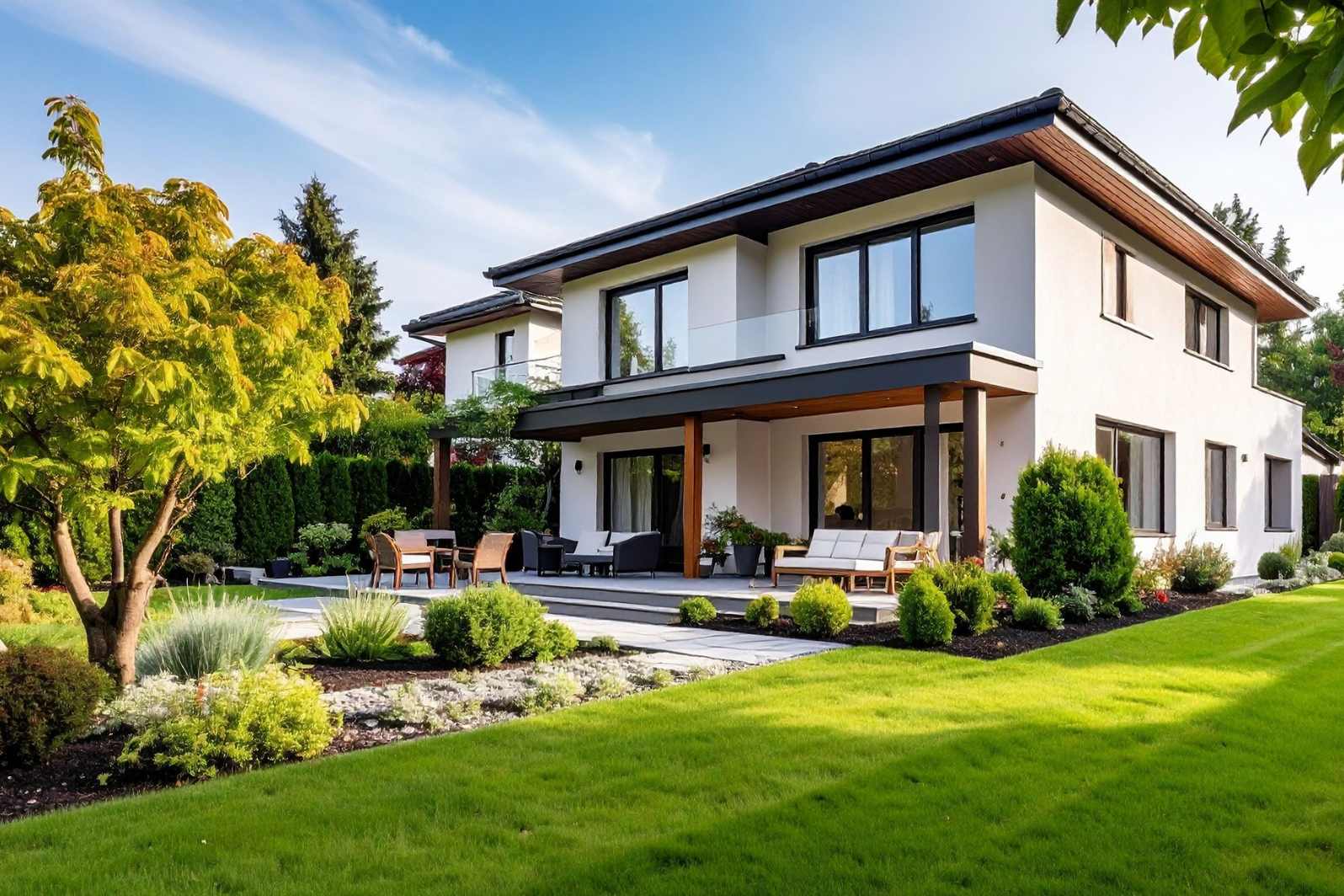
Technology has changed our lives – and now it’s changing the way we live, in new and unconventional ways. Once considered a luxury, smart homes have increasingly become the norm in new construction. These residences leverage automation, sensors and connected devices to improve day-to-day living by making it simpler, safer and more energy efficient. But in addition to convenience, they’re also creating major changes for how much properties are worth.
Read on to discover how smart home technology is impacting real estate prices, buyer preferences, and the future of modern living.
1. What Makes a Home “Smart”?
A smart home is one that is outfitted with technology to enable homeowners to remotely control and automate household systems like lighting, doors, thermostats, entertainment systems and security alarms.
Common smart home features include:
- Smart thermostats for climate control
- Automated lighting systems
- Security cameras and smart locks
- Energy-efficient appliances
- Virtual assistants you can talk to, such as Alexa or Google Home
Together, they make for more comfortable, secure and efficient homes.
2. Rising popularity of smart homes
The smart home is no longer a pipe dream – it’s the new normal. Smart systems are even offered in mid-range homes now that technology is getting cheaper.
Fact: According to a recent poll, more than 60% of homebuyers are willing to pay extra for a home with smart features.
Today’s buyers crave convenience and control, and that’s what smart homes provide – which is why it’s such a strong selling point in the housing market.
3. Smart Homes and Property Value
Smart home tech can increase the resale value of a property outright. Houses with automation systems sell 5 to 10 percent higher than those without, real estate pros say.
Reasons include:
- Energy efficiency: Smart thermostats and lights lower energy costs.
- Increased security: Smart locks and cameras make homes more secure.
- Modern appeal: For a generation of buyers, smart features have come to represent the condition of a well-cared-for, up-to-date property.
A smart home is seen as a longterm investment, one that saves money and increases comfort – two characteristics high on buyers’ lists of what they want most from their homes.
4. Energy Efficiency and Cost Savings
Smart homes are increasing in value thanks to a number of key trends, including energy-saving technology.
Intelligent systems maximize energy use based on its needs to reduce waste and lower costs. For example:
- Smartww therrmostt g gas can s save heeaattng cost by up tto owm4 percent.
- Thermostats and automated blinds measure sunlight to regulate indoor temperature.
- Smart bulbs are more energy-efficient, last longer and use less power.
Home buyers value them because they offer environmental benefits as well as saving money.
5. Better Security and Peace of Mind
Smart home security systems are one of the most requested features right now. They include:
- Motion sensors
- Doorbell cameras
- Remote locking systems
- Smoke and water leak detectors
These systems send owners instant notifications, enabling them to keep an eagle eye on their abodes from afar.
A safe house is more attractive and can be more expensive on the market.
6. Convenience as an Innoprop-quality of residential property
Ease is another reason smart homes are so appealing to buyers. Think about being able to turn your thermostat up and down, or turning off lights, or checking to make sure the front door is locked — all from your smartphone.
It’s a degree of comfort that is likely to be appealing in today’s world, especially to younger buyers who put a premium on technology-rich living.
Houses capable of providing users with this experience are considered future-ready, and therefore more marketable.
7. Smart Homes and Sustainability
1.- You’re buying with future property prices in mind The sustainability aspect is one of the major factors that influences increased house values. Eco-friendly buyers are also seeking homes that promote green living.
The following are ways in which smart systems enable these features:
- Monitoring energy use
- Reducing waste
- Just add solar panels or water-saving systems
A sustainable smart home is in line with worldwide trends toward eco-friendly living — and homes with green certifications or smart energy management systems tend to sell faster.
8. Integration with Real Estate Technology
Real estate agents now use virtual tours and other AI-based products to emphasize smart home elements when talking up properties they represent.
Buyers can virtually see how automation systems function before they physically enter the home.
With this convergence of smart home and RE marketing, interest in buyers could be stimulated thereby potentially inflating perceived value.
9. Smart Home Issues in Real Estate
Smart homes are a boon, but they pose problems too. Some buyers worry about:
- Data privacy and hacking risks
- Compatibility issues between devices
- Maintenance or software updates
As technology gets better though, these security concerns are combatting with improved encryption and smart systems being standardized.
10. The Future of Smart Home and Property Values
The future of real estate is becoming more connected. As smart features become the norm, properties without them might begin to appear dated – in much the same way that a home lacking internet connectivity does today.
Smart technology in a home could at some point soon join the ranks of granite counter tops, professional grade appliances and sparkling new hardwood floors as standard features that potential buyers look for when they make homes purchasing decisions.
Conclusion
Smart homes are changing the way we interact with our spaces. Once a luxury item, this amenity has turned into an incredible asset that enhances property value, comforts occupants and supports sustainability.
As the technology progresses, smart homes will not just ease up life but also contribute to defining future worth of commerical residential spaces in city areas. When you invest in smart upgrades now, your payday will come when it’s time to sell.
FAQs:
Q1. Do smart home features add value to a property?
Yes, homes with smart technologies sell on average for 5–10% more than their “non-smart” counterparts.
Q2. Which smart home upgrades are worth the money?
Intelligent thermostats, light fixtures, security cameras and eco-friendly appliances.
Q3. Can hackers breach a smart home?
Most modern systems are built with strong encryption and security protocols, but it’s important to make frequent updates and use secure passwords.
Q4. Do smart homes save you money in the long run?
Yes, thoughtful heating and cooling contraptions and automatic switches cut electricity and water bills in the long run.
Q5. Are smart homes the new normal?
Absolutely. Smart homes will increasingly be an expectation with the rise of consumer technology.
