


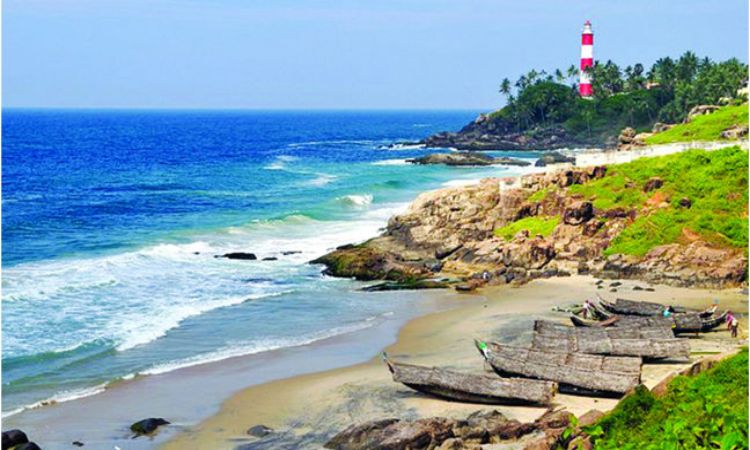
South India often gets added to travel plans as an afterthought. Many visitors focus on temples, hills, or food. Beaches sit quietly in the background. The southern coastline stretches long and varied. Each beach carries a different pace – while some experience calm, some become social.
South Indian beaches rarely follow one pattern. The sand changes color—the water mood shifts by season. Fishing boats shape mornings. Cafes appear in pockets rather than rows. This mix works well for travelers who prefer choice without crowds.
Beaches That Feel Calm Without Effort
Kerala sets the tone for slow coastal days. Varkala sits on a cliff, and the beach rests below while cafes line the edge above. Sunsets look beautiful here. Kovalam sits close by with curved shores and gentle waves. Both work well for quiet walks and short swims.
Marari Beach feels softer. Fewer shops. Fewer voices. Locals pass by with nets at dawn. Visitors often wake early here without planning to.
Further south, Kanyakumari offers a more symbolic experience. Three seas meet here. The beach stays rocky, not sandy. People visit for sunrise and sunset, not for swimming but for reflection.
Shores With Energy, Food, And Small Surprises
Goa feels familiar to many travellers, but South Goa still holds space. Colva and Palolem offer room to breathe. Music stays lower, cafes are spread out, and days move at a human pace.
In Tamil Nadu, Mahabalipuram mixes history and coastline. Shore temples stand close to the sea. Waves hit hard here, and sitting near the water brings a sense of calmness that’s enough.
Pondicherry adds a French layer to beach life. Promenade Beach invites long evening walks where the sand seems less important than the breeze and street lights.
Many travellers who review the best indian tour packages notice that these beaches appear as add-ons rather than main stops. That framing hides their value. A few days by the sea often balance long inland routes.
Many travellers assume beaches across South India are similar, only to be surprised on arrival. The contrast between regions feels sharper than expected. Agencies like Indian Panorama help travellers factor in these differences as they shape routes, so beach stops seem aligned with the pace and comfort rather than added at random.
Quieter Beaches That Reward Patience
Gokarna exudes a spiritual, relaxed energy, while nearby Kudle Beach remains a quiet haven for those seeking solitude. Afternoons stretch long here. Phones stay untouched.
Udupi beaches feel local. Malpe Beach stays lively without noise. Fishermen pull boats at dusk. Visitors watch without intrusion.
In Andhra Pradesh, Rishikonda Beach near Visakhapatnam is more open and breezy. Fewer tourists arrive here. Facilities exist, but they stay simple. This appeals to travelers who avoid crowded hubs.
Timing, Comfort, And Small Beach Habits
South Indian beaches change with the seasons. October to March can be pleasant. Monsoon months bring rough seas. Swimming restrictions appear then. Checking local advice matters.
Clothing stays casual. Modesty helps near villages. Resorts can offer a more relaxed experience. Public beaches follow local norms.
Many people plan inland travel first and add beaches later. Sometimes reversing this order helps with jet lag and recovery. The body rests better near water. Best indian tour packages show how beach days soften long drives and city visits. Even short stays help.
